QR Codes for Real Estate: How Agents Use Them in 2026
How real estate agents use QR codes on yard signs, flyers, direct mail, and open houses — with lead capture examples, placement tips, and what to track.
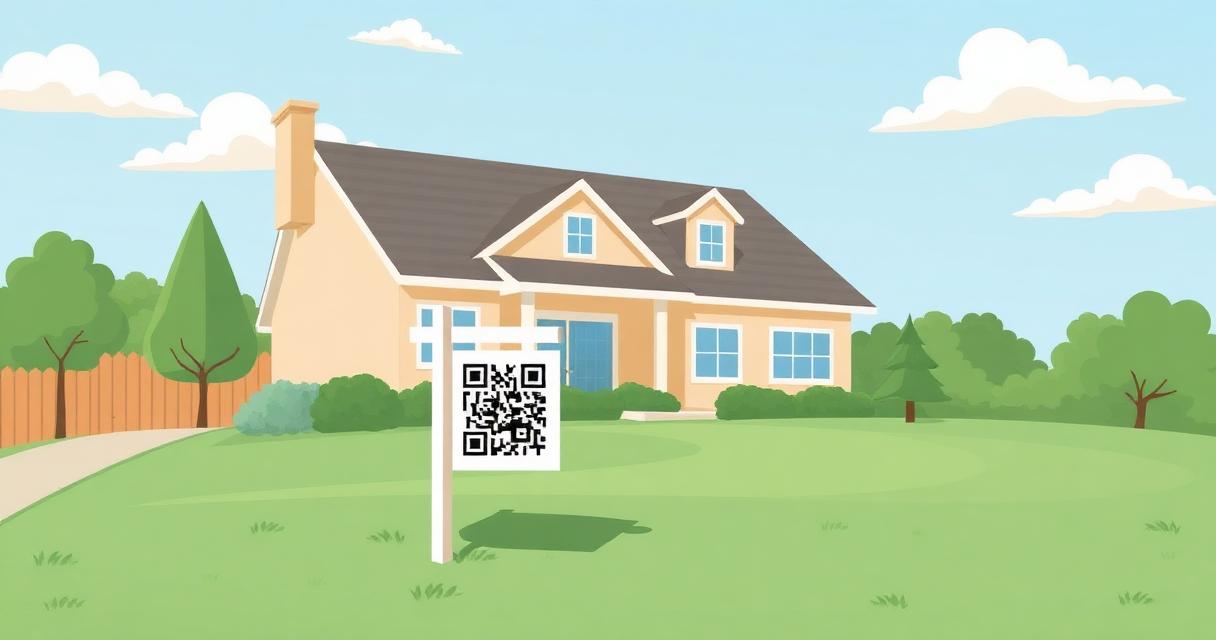
A real estate QR code solves a specific problem: buyers encounter properties at times and places when agents aren't present. The yard sign at 10pm. The flyer on the coffee shop noticeboard. The direct mail postcard on a Sunday. A QR code makes those moments actionable.
The core problem QR codes solve in real estate#
Real estate is a high-consideration purchase with a long decision cycle. Buyers research for weeks or months before making contact. Most of that research happens outside business hours and outside direct agent interaction.
A yard sign with a phone number reaches the buyer who calls. A yard sign with a QR code reaches the buyer who scans at 9pm, views 40 photos on their phone, and sends a form — without calling anyone.
QR codes extend agent availability to 24/7 without any additional effort after the initial setup.
The 6 placements that matter#
1. Yard sign — the most valuable placement
A yard sign is the most visible piece of marketing for a listed property. It sits in front of the property continuously. A QR code on the yard sign captures drive-by buyers — the people who are physically in the neighbourhood because they want to live there.
What the QR should open: a lead capture form is the highest-value destination. Not just the listing page — a form that captures name, phone, and preferred viewing time.
Critical detail: use a dynamic QR code. When the property goes under contract, update the destination to a "Under contract — see similar listings" page without touching the sign.
Size matters: yard sign QR codes are scanned from pavement distance — 1 to 1.5 metres. Minimum 6×6cm. Test from the pavement, not your desk.
2. Property flyers
Flyers are taken away — they continue marketing after the person leaves. A QR on the flyer links to the full listing with all photos, floor plan, and virtual tour — everything that doesn't fit on a one-page flyer.
Use separate QR codes for flyers vs yard signs. That way you can tell which channel drove the scan.
3. Direct mail campaigns
Direct mail is making a comeback in real estate — it's less saturated than digital. A QR code on a postcard makes it measurable: you'll know how many recipients actually scanned. Create a separate QR code for each direct mail campaign.
4. Open house
The open house QR code replaces the clipboard. Instead of guests writing name and phone on paper (illegible, lost, non-GDPR), they scan a QR at the door and fill in a digital form on their phone.
Secondary: a QR on each room's feature sheet linking to the full floor plan and virtual tour.
5. Agent business card
A vCard QR saves the contact to the buyer's phone in one tap. A hosted contact card page (with social links and active listings) gives more context for high-touch agent relationships.
6. Agent window card and signage
Office window cards and board listings benefit from QR codes — after-hours foot traffic can scan to see the full listing portfolio, book a viewing, or get the agent's contact.
Lead capture — the most underused opportunity#
Most real estate QR codes link to a listing page. This is fine, but it misses the real opportunity: capturing contact details from buyers who aren't ready to call.
A lead capture form attached to a yard sign QR converts silent interest into a contact. Simple form structure:
- Name
- Phone or email
- "When are you looking to move?"
- "Are you currently working with an agent?"
Keep it short. The more fields, the lower the completion rate. QRflows landing pages let you build a mobile-first lead capture form attached to any QR code.
What to track per property#
Separate QR codes for each placement give you:
- Channel comparison — yard sign vs flyer vs direct mail
- Time of day — when buyers are researching
- Device split — confirms mobile-first destination is essential
- Scan trend — declining scans after 2 weeks may signal a price review
Dynamic QR — essential for real estate#
A property listing is rarely static. Price drops, open house dates change, the property goes under contract, it comes back to market, it sells. With a dynamic QR code, you update the destination in 30 seconds from your phone. The physical sign stays. The content is always current.
Frequently asked questions#
Can I put a QR code on a real estate yard sign? Yes. A QR code on a yard sign lets drive-by buyers scan at any hour and access the full listing, photos, virtual tour, or lead capture form — without waiting for office hours.
What should a yard sign QR code link to? A lead capture form is the highest-value destination — it converts anonymous drive-by interest into a named contact. The full listing with photos is the second option.
Can I update the listing URL without replacing the sign? Yes, with a dynamic QR code. Update the destination from your dashboard — the printed sign stays unchanged.
Can I track how many people scanned my yard sign? Yes. Dynamic QR codes track every scan — count, time of day, device type, and approximate location. Use separate QR codes for the yard sign, flyer, and direct mail to compare channels.
Can I collect buyer leads from a QR code? Yes. Link the QR to a mobile-first lead capture form — name, phone, preferred viewing time. QRflows landing pages let you build and attach a form to any QR code without technical setup.
Should I use one QR code for all my listings? No. Use a separate dynamic QR code for each property and each placement type. That's the only way to measure per-property scan performance and compare marketing channels.
*See also:*
Related articles


Ready to try dynamic QR codes?
Start your free trial — no credit card required.
3–10 days free depending on plan.